Lincoln Aviator Redesign Delay: What's Behind the Delay and What It Means for the Luxury SUV Market

Michael Brown 1395 views

Lincoln Aviator Redesign Delay: What's Behind the Delay and What It Means for the Luxury SUV Market

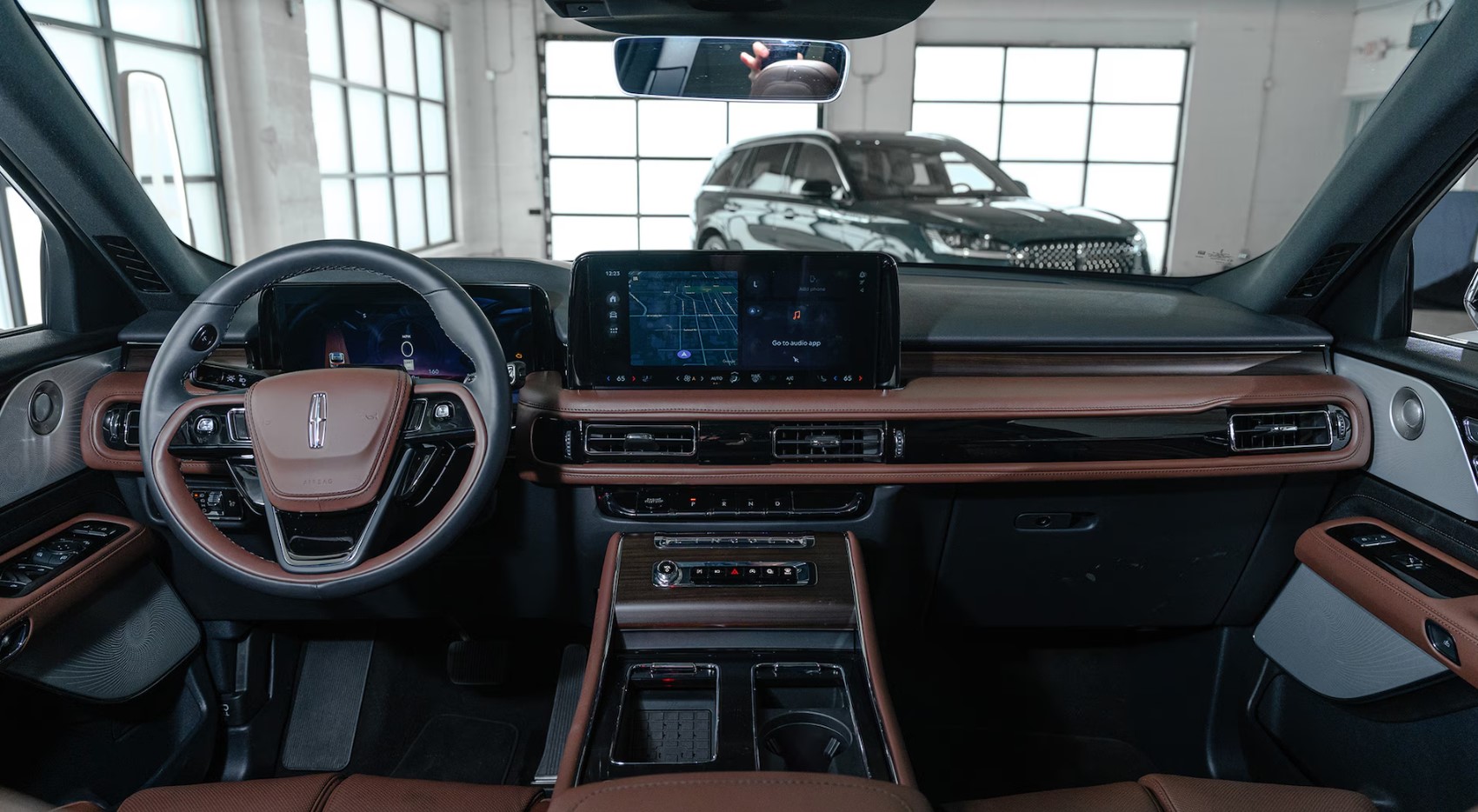
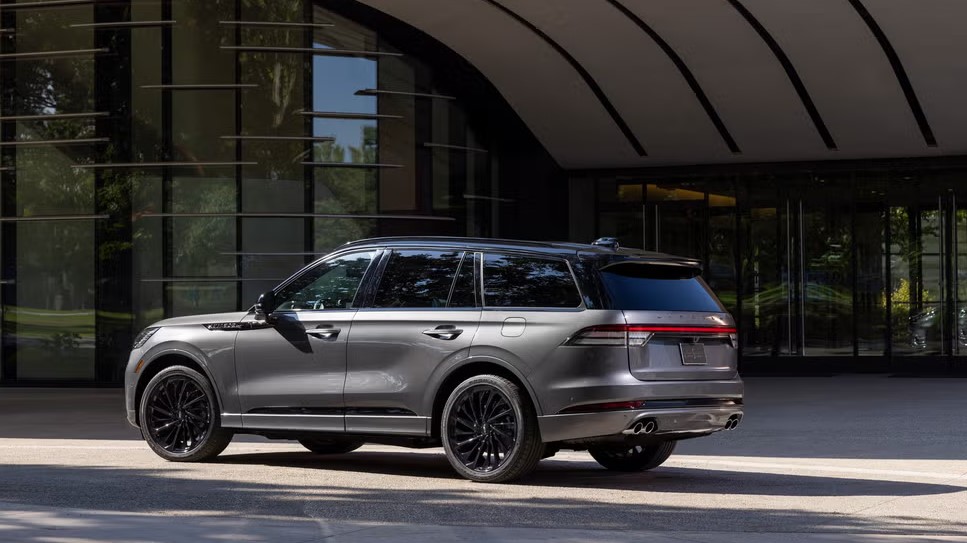
The Lincoln Aviator, once hailed as a game-changer in the luxury SUV market, has hit a roadblock. The automaker's plans to redesign the vehicle have been put on hold, leaving many in the industry and enthusiasts alike wondering what went wrong and what this means for the future of the Aviator.

The delay in the Lincoln Aviator's redesign has sent shockwaves through the automotive world, sparking concerns about the brand's commitment to innovation and its ability to stay competitive in a crowded market. In this article, we'll take a closer look at the reasons behind the delay, what it means for the luxury SUV market, and what Lincoln's next steps might be.

The Aviator's Ambitious Debut

The Lincoln Aviator made its debut in 2019, touting a sleek new design, impressive performance, and a host of advanced features. It was an instant hit, praised by critics and enthusiasts alike for its bold styling, comfortable ride, and impressive tech features. The Aviator's success was seen as a major coup for Lincoln, which had been struggling to regain its footing in the luxury market after a series of missteps in the years leading up to its redesign.

However, behind the scenes, sources close to the matter revealed that the Aviator's debut was not without its challenges. Insiders pointed to a rushed development timeline, with some alleging that the vehicle was pushed to market before it was fully ready. This, combined with a lack of marketing muscle and a dearth of dealer support, left some feeling that the Aviator was set up for failure from the start.

Redesign Delay: What Went Wrong?

So, what led to the delay in the Lincoln Aviator's redesign? While Ford, Lincoln's parent company, has been tight-lipped about the specifics, sources suggest that a combination of factors contributed to the holdup. These include:

* **Engineering challenges:** Insiders point to issues with the Aviator's powertrain, including problems with the 3.0-liter V6 engine and the 10-speed automatic transmission.

* **Cost concerns:** Redesigning the Aviator would require significant investment, which Ford may not be willing or able to commit to, especially given the uncertain market conditions.

* **Prioritization:** With the rise of electric vehicles and the growing importance of SUVs in the luxury market, Lincoln may be redirecting resources to focus on other projects, such as the upcoming Lincoln Aviator Grand Touring hybrid.

The Luxury SUV Market: What the Aviator's Delay Means

The delay in the Lincoln Aviator's redesign has significant implications for the luxury SUV market. With the segment growing increasingly competitive, Lincoln's hesitation to invest in a new Aviator could be seen as a sign of weakness by rivals like Cadillac, Mercedes-Benz, and Audi.

**Competitors on the move:**

* Cadillac's XT6 has been revamped, boasting improved performance, a more premium interior, and a range of new features.

* Mercedes-Benz's GLE has undergone a significant redesign, introducing a new MBUX infotainment system and a range of advanced safety features.

* Audi's Q7 has been updated with a new look, improved performance, and a range of new technologies.

Lincoln's Next Steps

So, what's next for Lincoln and the Aviator? While Ford has declined to comment on the specifics, sources suggest that the automaker is still committed to the Aviator and is exploring options to move forward with the redesign.

**Possible scenarios:**

* **Redesign delayed, not cancelled:** Lincoln may choose to delay the redesign, rather than cancel it altogether, to address the engineering and cost concerns that have held up the project.

* **New platform, new focus:** Lincoln may opt to introduce a new platform or a new model, leveraging the company's investments in electrification and SUV technology.

* **Redefining the Aviator's niche:** Lincoln may choose to refocus the Aviator on a specific niche, such as the hybrid or electric market, rather than competing directly with established players.

In the end, the delay in the Lincoln Aviator's redesign is a sobering reminder of the challenges facing the luxury SUV market. While the Aviator's initial success was a promising start for Lincoln, the automaker must now adapt to a changing landscape and invest in the technology and innovation that will drive its future success. As the industry continues to evolve, one thing is clear: Lincoln's next move will be crucial in determining its place in the luxury SUV market.
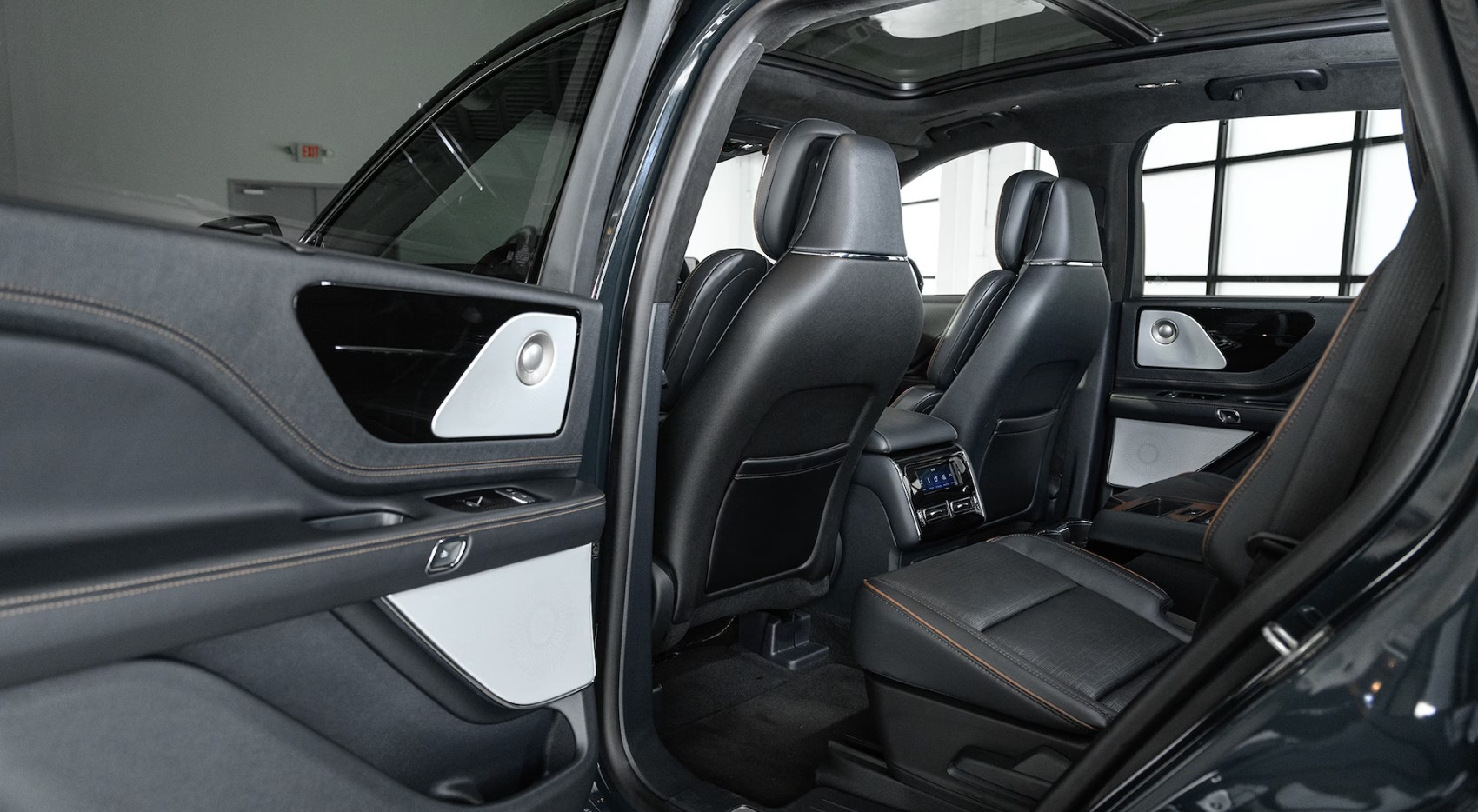
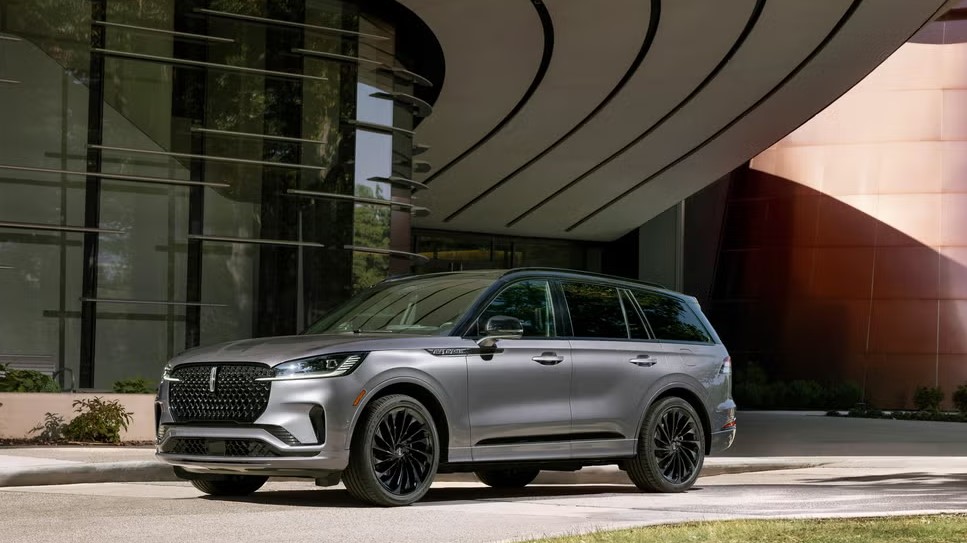
2026 Lincoln Aviator Redesign, Specs, Price - Inside The Hood
2027 Lincoln Aviator Redesign, Specs, Changes - Inside The Hood

Winona Ryder's Ageless Charm: Unpacking Her Iconic Role in Bram Stoker's Dracula</h3><p>In 1992, Winona Ryder reprised her breakout role as Mina Harker in Francis Ford Coppola's adaptation of Bram Stoker's Dracula, cementing her status as a Hollywood leading lady. In this article, we'll delve into the making of this iconic film, exploring the intricacies of Ryder's portrayal of Mina and the ways in which it showcases her ageless talent.</p><p>Winona Ryder's casting as Mina Harker in Bram Stoker's Dracula was a pivotal moment in the film's production. Ryder, who was in her mid-twenties at the time, brought a youthful energy to the role, which offset the more mature performances of the film's other lead actors, including Gary Oldman and Anthony Hopkins. As Ryder herself notes, "I was so young, and I was playing a character who was kind of an innocent, and I think that's what made her so compelling."</p><p>Coppola, who has long been a supporter of Ryder's work, saw in her a unique talent that would bring depth and nuance to the character of Mina. "Winona had a sense of vulnerability and fragility that was perfect for the role," Coppola recalled in an interview. "She was able to convey the character's emotions in a way that was both subtle and powerful."</p><p>One of the key aspects of Ryder's performance in Bram Stoker's Dracula is her ability to convey the complexities of Mina's character. On the surface, Mina appears to be a traditional Victorian-era wife, devoted to her husband and lacking in assertiveness. However, as the film progresses, it becomes clear that Mina is a strong-willed and independent individual, capable of withstanding the pressures of the supernatural forces that surround her.</p><p>Ryder's portrayal of Mina is characterized by a mix of fragility and determination. Her character's emotional vulnerability is palpable, particularly in the film's iconic scenes, such as the scene in which Mina is trapped in the snake scene with the vampire. At the same time, Mina shows remarkable resilience and strength in the face of adversity, refusing to give in to the forces of darkness that seek to consume her.</p><p>Bulleted points of critical acclaim:</p><p>• Ryder received wide praise for her performance, with many critics noting her ability to bring depth and nuance to the character of Mina.</p><p>• The film's use of sensual imagery and visual metaphors added to Ryder's performance, creating a dreamlike quality that drew audiences into Mina's world.</p><p>• Coppola's direction of the film was widely praised, with many critics noting his ability to create a sense of tension and foreboding that was both suspenseful and atmospheric.</p><h2>Behind the Scenes of Bram Stoker's Dracula</h3><p>The making of Bram Stoker's Dracula was a complex and often challenging process. Coppola, who had previously helmed films such as The Godfather and Apocalypse Now, was determined to create a film that would be both faithful to the original novel and innovative in its approach. As he notes, "I wanted to create a film that would be a metaphor for the vampire's victims – people who are trapped in their own lives, struggling to find freedom and release."</p><p>Coppola's vision for the film was shaped by his own experiences growing up in a family of artists. "I grew up surrounded by art and music, and I think that's where my love of storytelling comes from," Coppola explained. "I wanted to create a film that would be a hybrid of art and film, something that would be both beautiful and terrifying."</p><p>The film's production was marked by intense collaboration between Coppola and his cast and crew. As Ryder recalls, "Francis is an incredibly talented and intense director, and he demands a lot from his actors. But at the same time, he's also incredibly generous and supportive – he wants to bring out the best in everyone."</p><h3>Impact and Legacy of Bram Stoker's Dracula</3><p>Bram Stoker's Dracula was released in 1992 to widespread critical acclaim. The film grossed over $215 million at the box office and won several awards, including an Academy Award for Best Costume Design.</p><p>However, the film's impact went far beyond its commercial success. As a film, Bram Stoker's Dracula redefined the boundaries of cinematic horror, pushing the genre in new and innovative ways. As a performance, Ryder's portrayal of Mina Harker set a new standard for actresses in the genre, demonstrating a depth and nuance that was both captivating and inspiring.</p><p>Today, Bram Stoker's Dracula remains a cult classic, widely regarded as one of the greatest horror films of all time. As Ryder notes, "I feel incredibly fortunate to have been a part of something that has had such a lasting impact on audiences and the film industry as a whole."</p><p>The lasting impact of Bram Stoker's Dracula can be seen in the many filmmakers and actors who have been influenced by Coppola's vision and Ryder's performance. As one film critic noted, "Bram Stoker's Dracula is a film that has stood the test of time – its themes of love, death, and the supernatural continue to captivate audiences to this day."</p><h1>Conclusion: Winona Ryder's Ageless Charm in Bram Stoker's Dracula

close